1. Short-Term Visits (Tourism, Business, and Social)
This is the most common application category, used for vacations, business trips, or family visits.
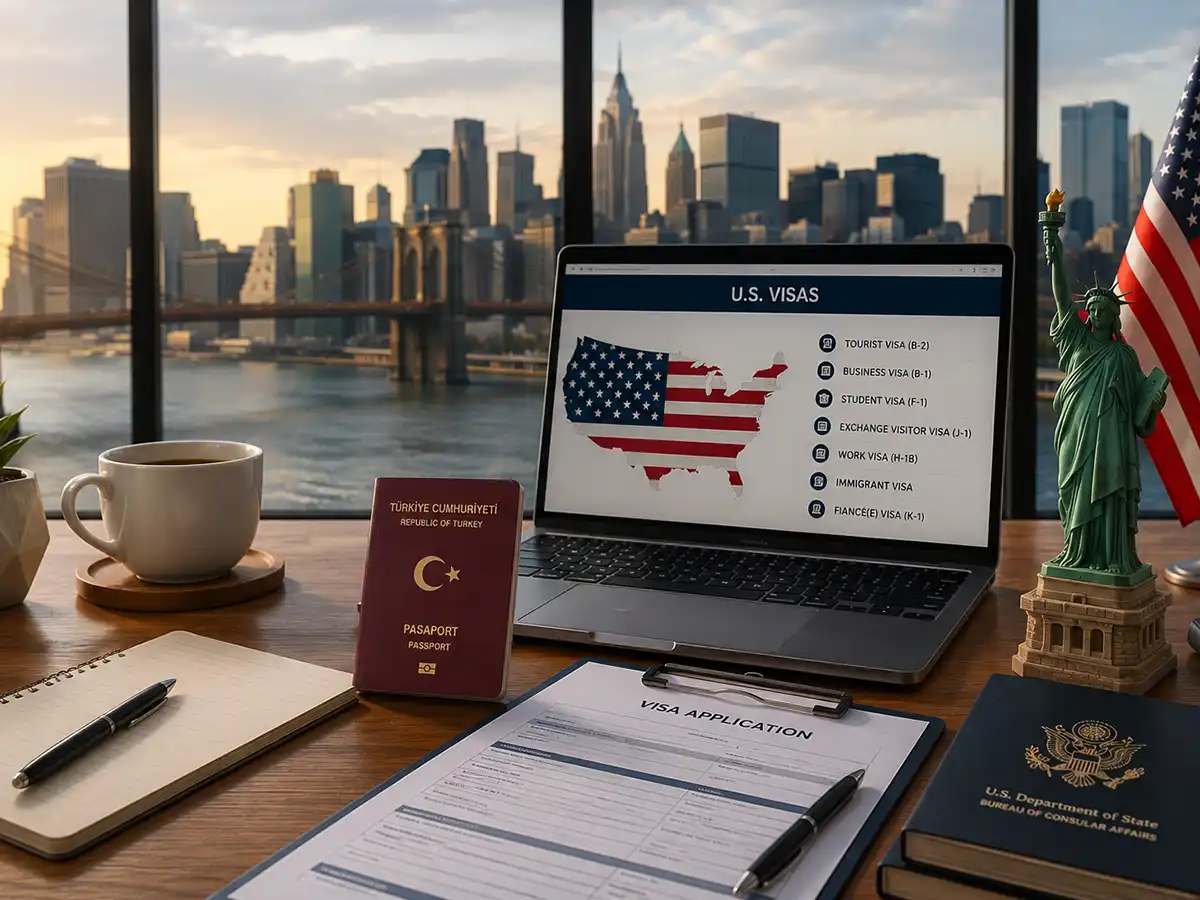
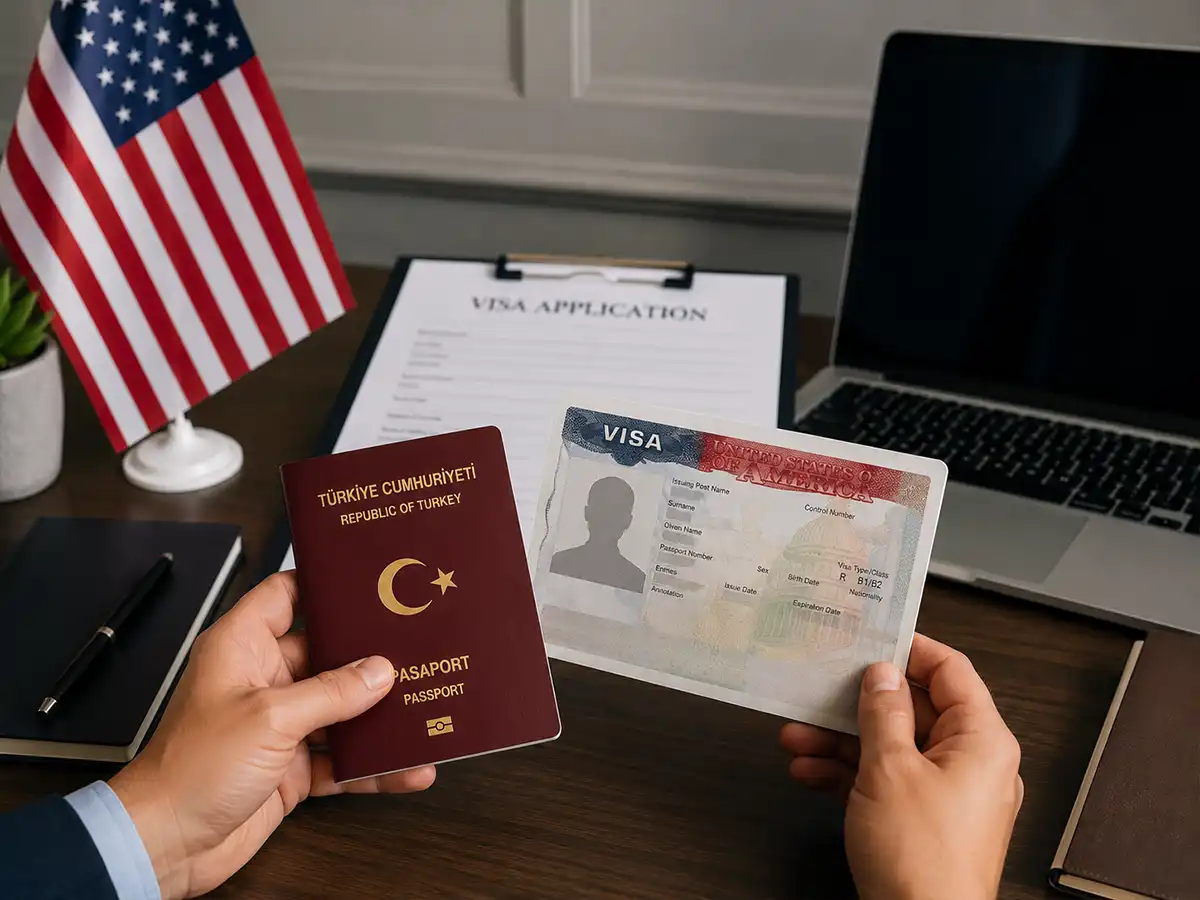
B1/B2 Visa: The most comprehensive and common U.S. visa, covering business meetings, trade fairs, contract negotiations, and professional training (B1), as well as tourist trips, family/friend visits, vacations, and medical travel (B2). Most applicants are issued a combined B1/B2 Visa covering both purposes. This visa does not permit paid employment in the U.S.
2. Education and Exchange Programs
If you're planning to study in the U.S. or join a cultural exchange program, this is the category to look into.
F1 Visa: For students attending university, a language school, college, or an academic program. Allows limited on-campus work under certain conditions.
M1 Visa: For students attending vocational or technical training programs, such as flight schools, technical training centers, or certificate programs.
J1 Visa: Used for Work and Travel, internship programs, academic exchange, research positions, PhD studies, and visiting scholars. The sponsoring organization plays an important role in this visa category.
3. Work and Professional Visas
Issued to people who will work in a professional role in the U.S., transfer within a company, or have a specialized or extraordinary talent.
H Series (H1B, H2A, H2B): H1B covers qualified professionals such as software engineers, financial specialists, doctors, and data scientists, and generally requires sponsorship from a U.S. employer. H2A is for temporary agricultural workers, while H2B covers seasonal work such as tourism, hospitality, or construction.
L1 Visa: Used when international companies transfer managers or specialized staff to their U.S. branch. Especially common among employees of multinational companies.
O1 Visa: For individuals with extraordinary achievement in science, the arts, sports, education, or business (academics, athletes, artists, musicians, scientists). Documenting your achievements is essential.
P Visa: For professional athletes, sports clubs, national athletes, and performing groups such as concert or theater ensembles.
4. Family-Based and Permanent Residence (Immigrant Visas)
This category is for people who want to live permanently in the U.S. or join a U.S. citizen spouse. The immigrant visa process is more extensive than nonimmigrant visas and follows a more detailed procedure.
K1 Visa (Fiancé(e)): Used by people planning to marry a U.S. citizen; the marriage must take place within a specified period.
CR1 / IR1 Visa (Marriage): Immigrant visa applications based on a U.S. citizen or Green Card holder spouse, based on family reunification.
Other Immigrant Categories: Categories such as family reunification, employer sponsorship, investment-based immigration, and the Diversity Visa (for those eligible under the Green Card lottery) also exist.
5. Other Special Visa Categories
Outside the three main groups above, there are special visa types that apply to a narrower group of applicants:
E1 Visa (Treaty Trader): A special category for commercial activity by citizens of countries that have a trade treaty with the U.S.
E2 Visa (Investor): For entrepreneurs who want to run a commercial enterprise by investing in the U.S. The investment is expected to be real, active, and in a sustainable business, with the applicant maintaining control over the investment and actively managing the enterprise. Not every country qualifies for this program; eligibility depends on nationality and the treaties in force.
R1 Visa (Religious Worker): For individuals who will serve at religious organizations in the U.S.
C Visa (Transit): For passengers transiting through the U.S. to another country. Even when the U.S. is only a stopover, a transit visa may be required in some cases.
D Visa (Crew Member): Used by airline and maritime staff such as pilots, flight attendants, and ship or cruise line personnel.
I Visa (Media): For journalists, television crews, and other media professionals.
Important note: Each of these categories has its own specific requirements, and the right application strategy varies by individual. If you're not sure which group applies to your situation, you can contact our TayaTravel consultants for an individual assessment. Choosing the correct visa type is one of the most critical steps in the application — applying under the wrong category can lead to refusal or a longer process.